17th February
by Drs Chantal Whitten & M. Muthuramalingam
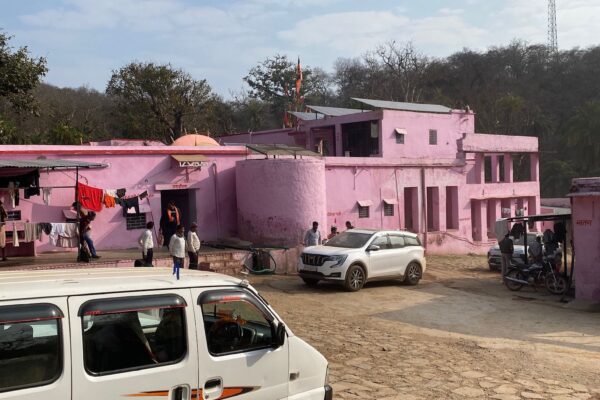
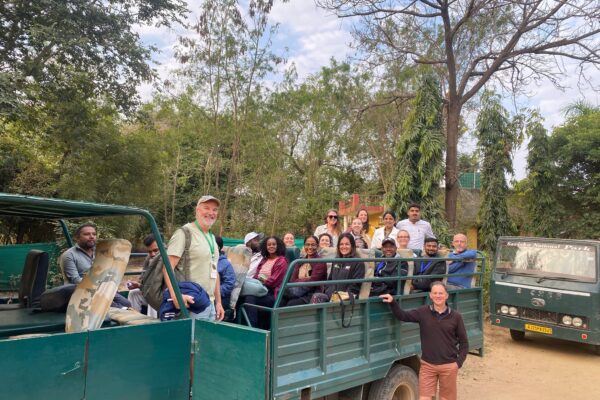
The day started at 8:14 am sharp!! Students and staff loaded into vehicles for a bumpy ride to Pandupole Hanuman temple in the heart of Sariska NP. The team’s task for today was to undergo a disease risk assessment at the temple focusing on the human wildlife interface.
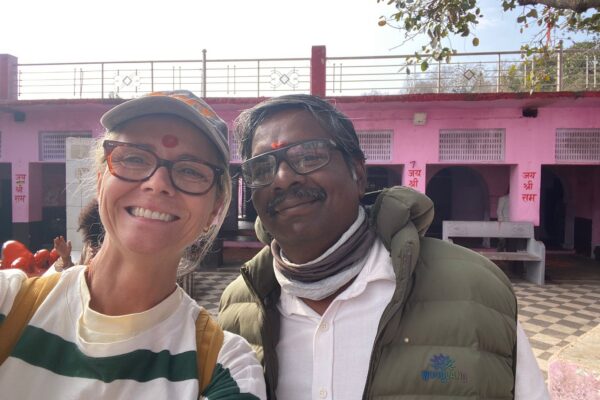
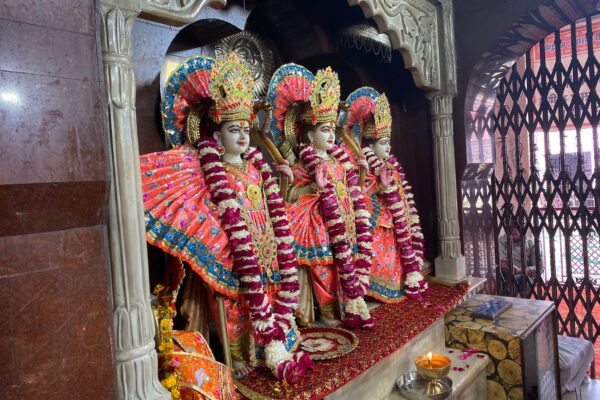
On arrival at the temple, we were delighted by the half-naked men performing communal bathing. Not what I was expecting! Thankfully we quickly moved to the temple entrance where Dr Parug introduced us to the temple and explained the mythical story of the famous Monkey Temple.
Inside the temple there was an array of bright colours and fragrant smells. We all got to experience some of the religious traditions of offerings and blessings in a central region where pilgrims chant and pray.
Back to lectures for presentation of our DRAs. Students did a great job presenting different problems from tackling plastic pollution to managing the behaviour of non-human primates and zoonotic diseases such as leptospirosis. This was an excellent introduction to managing disease at the wildlife-livestock human interface.
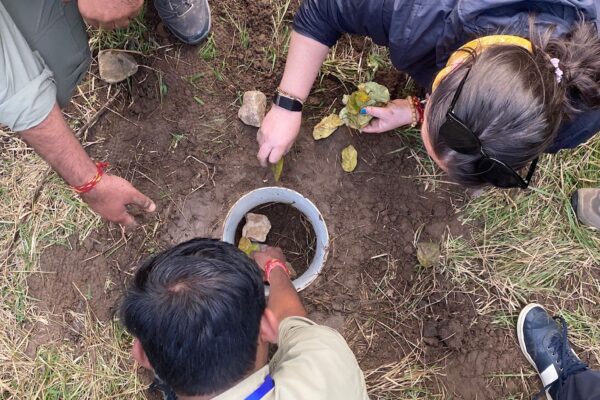
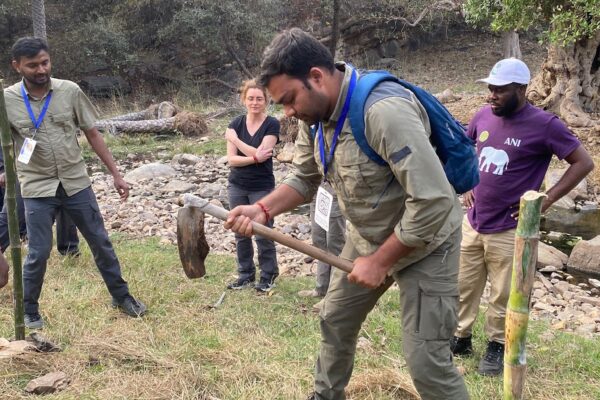
In the afternoon we started the best part of the course!!! According to Dr Lee!! As a fellow Aussie I must agree. We went back into the park to set up drift lines and pit fall traps for our small amphibian study to see what species we could trap overnight.
Travelling back in the vehicle we spotted Chital Deer, Egyptian Vulture and Nilgai.
I think everyone is excited to see what species of frog we trap tomorrow!