18th February
by Drs K. Sridhar & Edel Odhiambo
A Stormy Start and an Unforgettable Amphibian Field Experience at Sariska Tiger Reserve
Winter mornings in Sariska are usually calm and crisp — but this one began with an unusual thunderstorm and continuous rain. What could have been seen as a disruption turned into the perfect backdrop for a deeply immersive and enriching learning experience in aquatic animal biology and amphibian conservation.
Morning Session: Understanding Aquatic Ecology and Disease Investigation
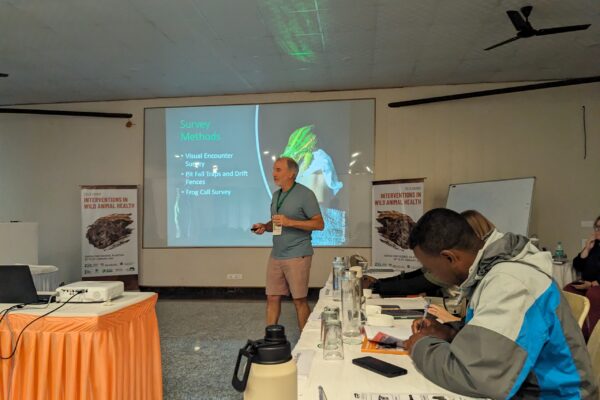
The day began with insightful lectures by renowned experts — Lee Skerratt, Abhijit Das, and Neil Anderson.
The sessions focused on the importance of aquatic animal biology, amphibian ecological significance, disease investigation and management strategies, and monitoring emerging infectious diseases in wildlife.
The discussions highlighted how amphibians serve as bioindicators of ecosystem health, reflecting subtle environmental changes. The biological uniqueness of amphibians, their ecological value, and the global threat of infectious diseases made the sessions both intellectually stimulating and practically relevant.
Practical Demonstration: Tools of the Trade
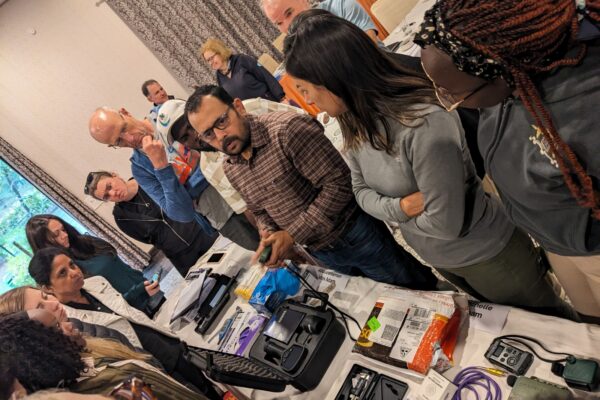
Following the lectures, participants attended a hands-on demonstration of field
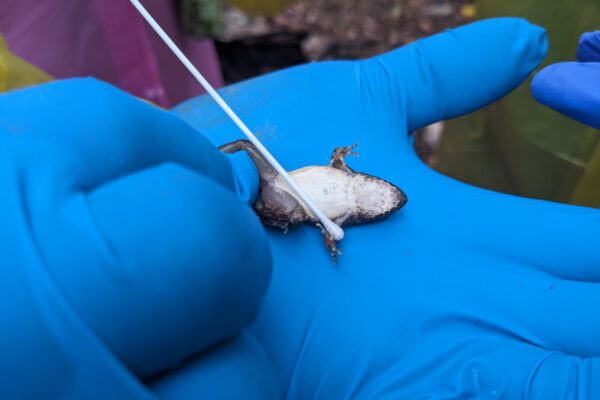
instruments used in amphibian surveys and monitoring. The tutors patiently explained the function and application of various tools, including: data loggers (for temperature and humidity monitoring), Visual Implant Elastomer (VIE) tags, microchips for long-term identification, fluorescent dyes, vernier callipers (for morphometric measurements), and swabs for disease screening.
The practical exposure bridged the gap between theoretical knowledge and field
application, giving participants confidence in real-world survey techniques.
Afternoon Field Trip: Into the Wild
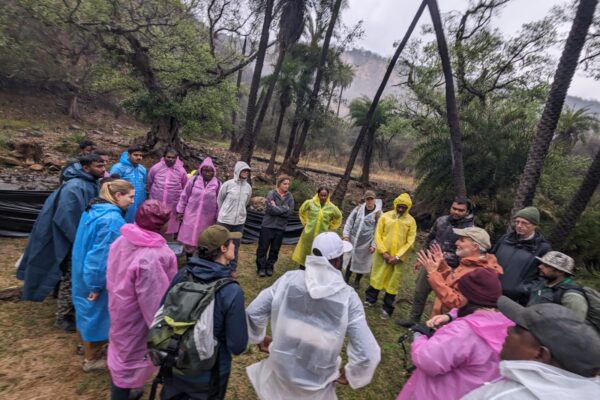
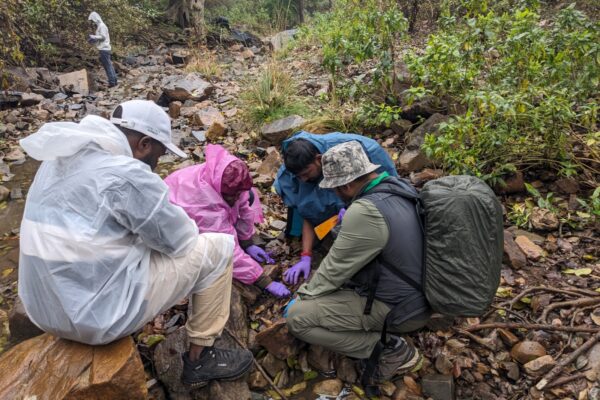
Post lunch, the entire group travelled in Gypsies into the forest area of Sariska Tiger Reserve. Equipped with waterproof gear, the participants embraced the rain — which, incidentally, created ideal conditions for amphibian activity.
Pitfall Traps and Species Identification
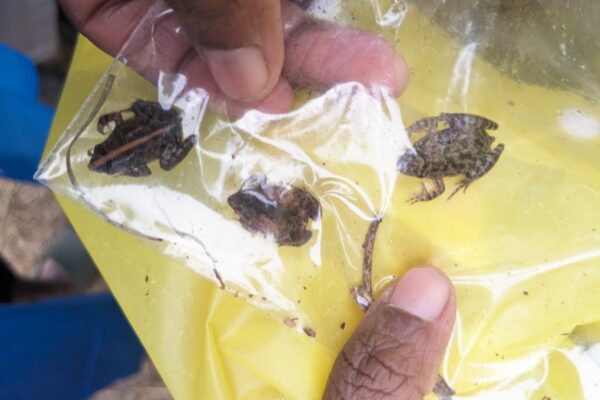
Different groups were assigned to check amphibian pitfall traps. The captured
amphibians were carefully collected and identified with guidance from the tutors. The fieldwork included species identification, weighing of individuals, morphometric measurements, and skin swabbing for disease surveillance.
After completing the procedures, all amphibians were gently released back near the water bodies, ensuring minimal stress and ethical handling.
River Transects and Active Searching:
The participants then conducted water flow/river transects, and perpendicular transects extending from the rivers for 10-minute timed searches. These systematic survey techniques allowed participants to locate and document amphibian diversity effectively.
By the end of the day, the team had identified several species, including cricket frog, narrow-headed frog, and skittering frog. Each sighting reinforced the ecological richness of Sariska’s wetland microhabitats.
A Magical Return Through the Forest
The return journey through the forest was nothing short of thrilling. Nightfall in Sariska revealed a different world — one that ordinary tourists rarely experience. The opportunity to witness nocturnal wildlife activity added a layer of excitement and exclusivity to the field trip.
The day concluded with a warm bonfire and a grand dinner — a perfect ending to a day filled with learning, rain-soaked adventure, scientific rigor, and unforgettable memories.
Reflections
What began as a stormy winter morning evolved into a profound educational
experience. The blend of classroom learning, hands-on demonstrations, ethical wildlife handling, and immersive field exploration made the day exceptional.
Field-based conservation training like this not only strengthens scientific skills but also deepens our connection with ecosystems — reminding us why amphibian conservation and disease monitoring are vital for the health of our planet.