22nd February
by Drs Jessica Kamatenesi & Karan Bharat
We had a refreshing two-day break before stepping into one of the most anticipated parts of the course. The first day was spent in Jaipur, soaking in the energy of the city, and the following rest day gave us time to recover from both the travel and the intensity of the programme so far. It was a much-needed pause before the next phase began.
Today marked a shift in focus as we began the **Wild Animal Restraint and Anaesthesia** module — a day that will likely stay with all of us for a long time.
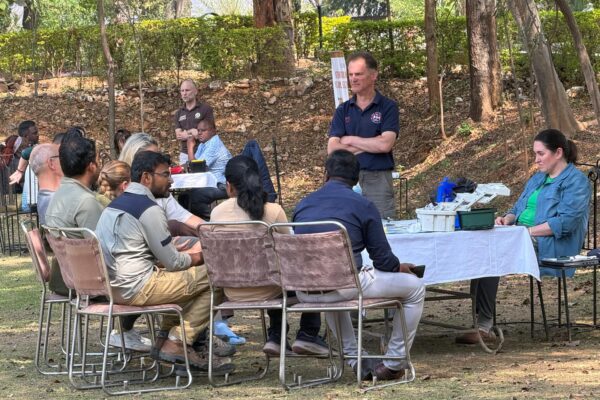
The morning session was led by Nic Masters, who walked us through the principles of drug selection in wildlife anaesthesia. He emphasized how drug choice varies across taxonomic groups and discussed specific considerations for cervids. The discussion highlighted how critical it is to balance effectiveness, safety, and species-specific physiology when planning a capture.
Dr. Amanda Guthrie followed with a session on safety — not just in terms of drug handling, but also in planning, preparation, and teamwork. She reinforced that successful capture operations depend as much on coordination and communication as on technical skill.
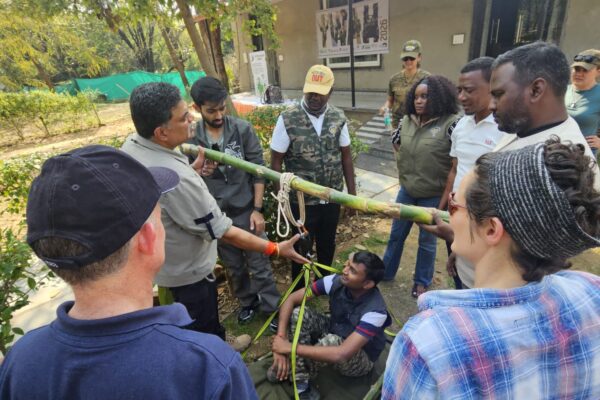
We were then divided into three groups for focused discussions with the tutors. These sessions covered procedure planning, induction protocols, remote drug delivery equipment, anaesthesia monitoring, and managing emergencies. The conversations were detailed and practical, drawing from real field experiences. After nearly three hours of intensive discussion, we broke for a short lunch before moving into the practical component of the day.
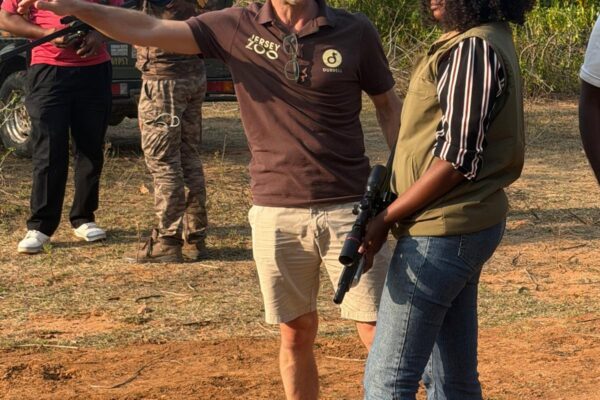
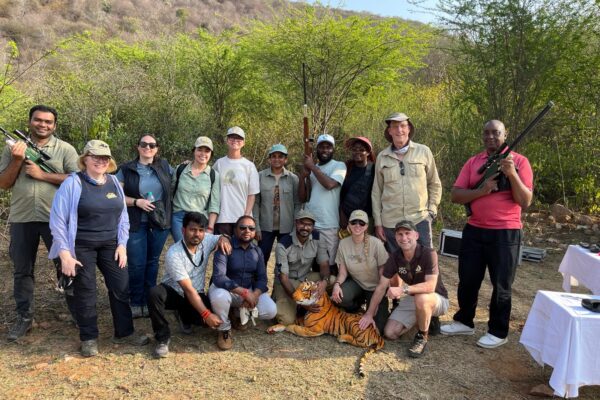
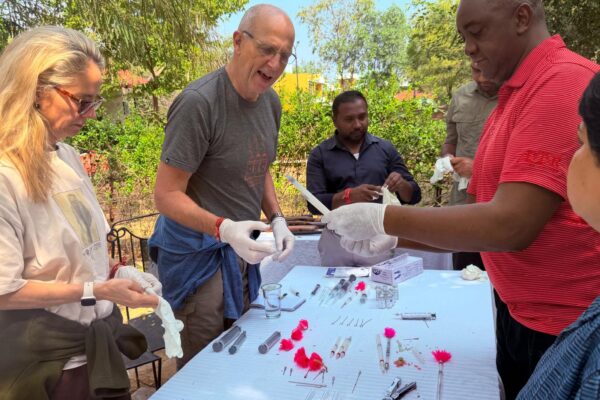
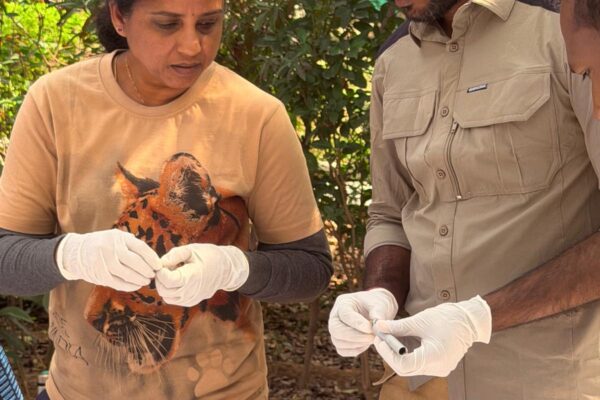
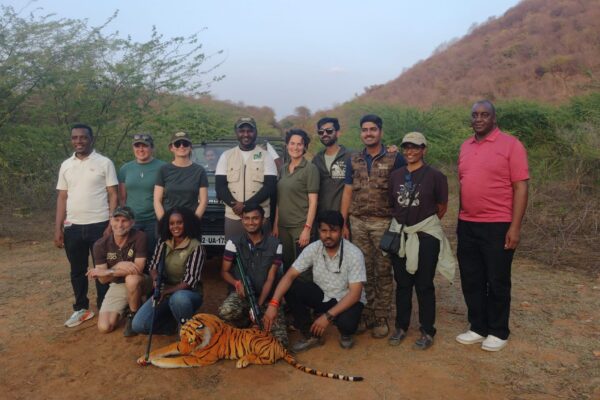
In the afternoon, we split into two groups. One group practiced darting techniques from different distances and scenarios — on foot and from moving vehicles — learning how positioning, angle, and equipment choice influence accuracy. The other group worked on handling an anaesthetised animal: approaching safely, recording morphometrics, collecting samples, monitoring anaesthesia, supporting recovery, and communicating clearly within the team. We later switched roles, ensuring that everyone experienced both components.
For many of us, it was our first time practicing darting, which made the experience both challenging and rewarding. The day was hands-on, detailed, and collaborative — a strong foundation for the upcoming capture exercises over the next two days.
There is still much to learn, but today gave us the confidence and perspective needed to approach the fieldwork ahead with care and professionalism.